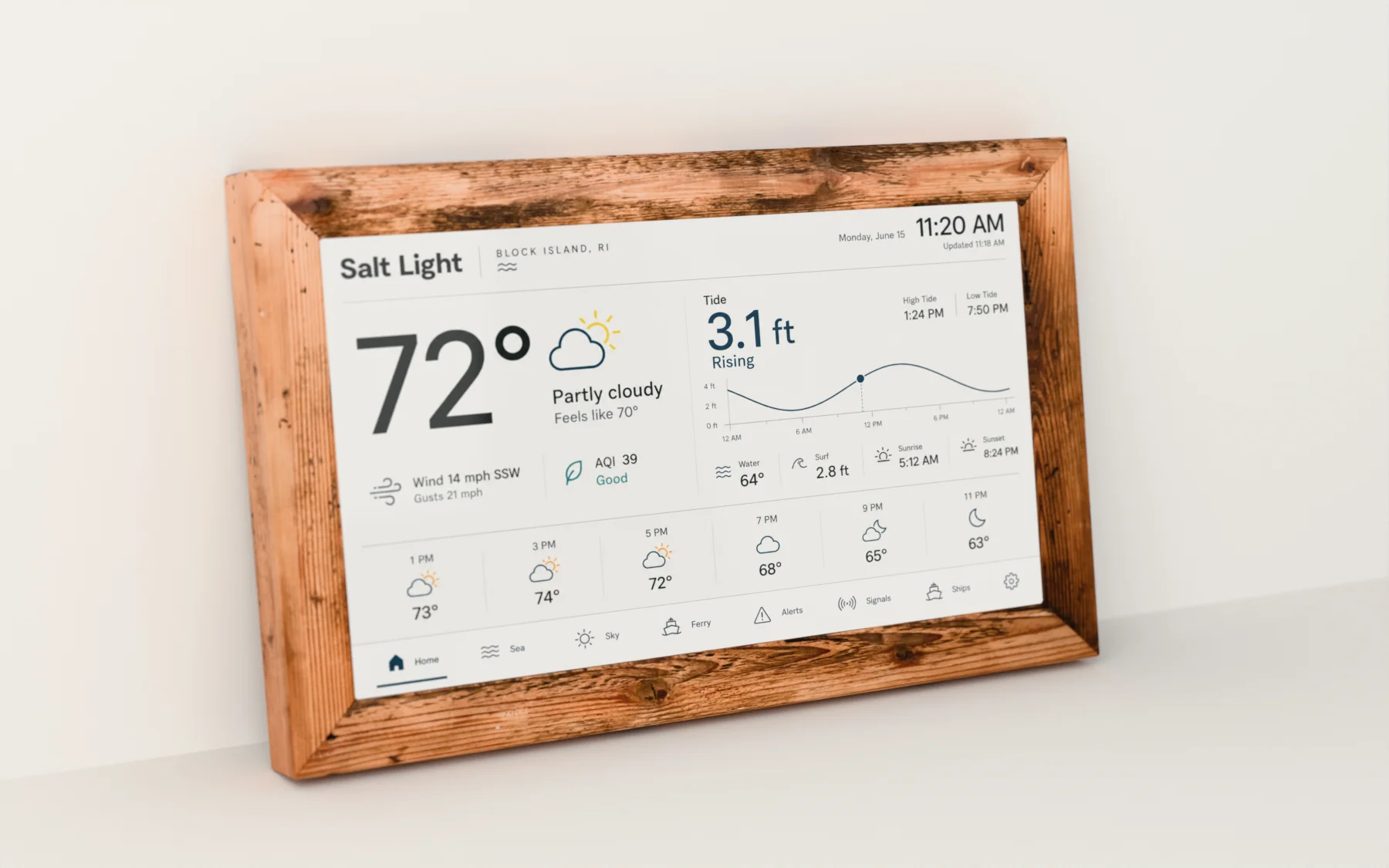
Salt Light Instrument
A calm coastal instrument, hand-built in New England.A local-first, privacy-first, open device. A hardwood frame around a 7-inch screen, with a slim lit diffuser strip above the glass and a machined aluminum kickstand on the back. It puts a beautiful, easy-to-read face on the weather, tides, sky, surf and the next ferry, computes the sun and moon on-device, and updates over the air. Two ways to run it: kept for you, or open to you.Coming soonPricing announced at launch.
At home by the water
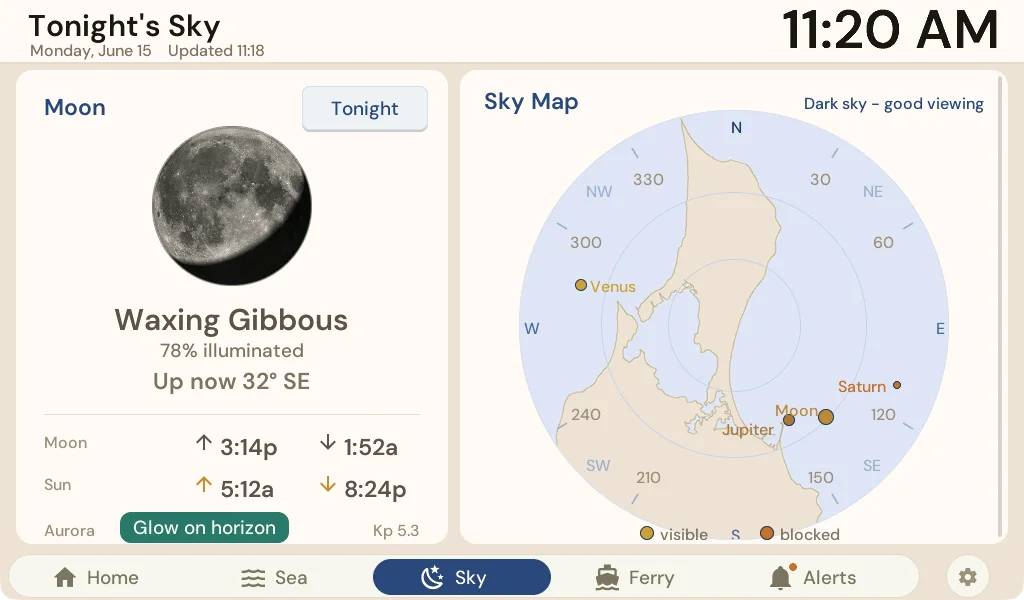
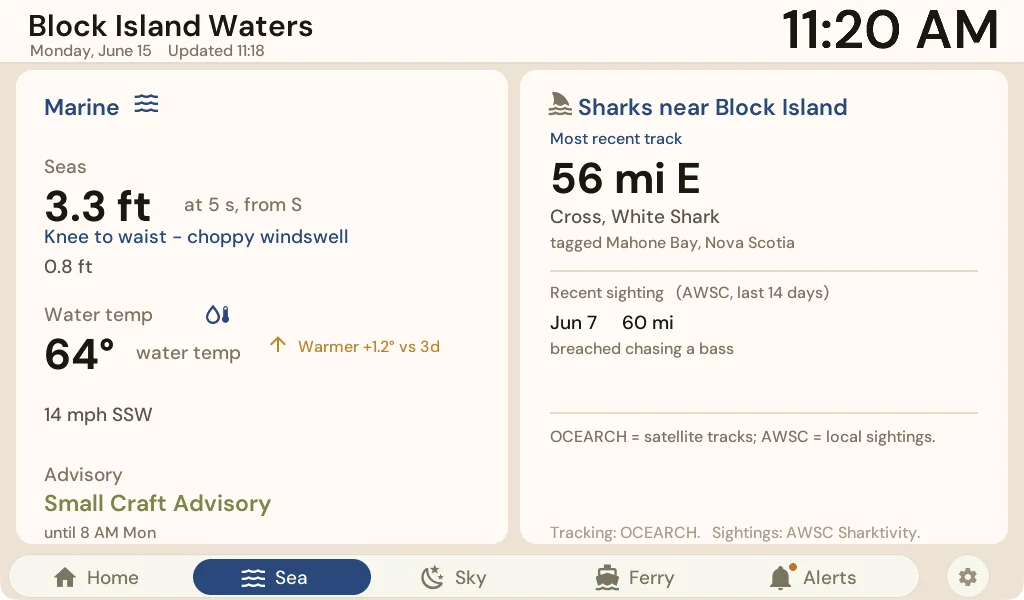
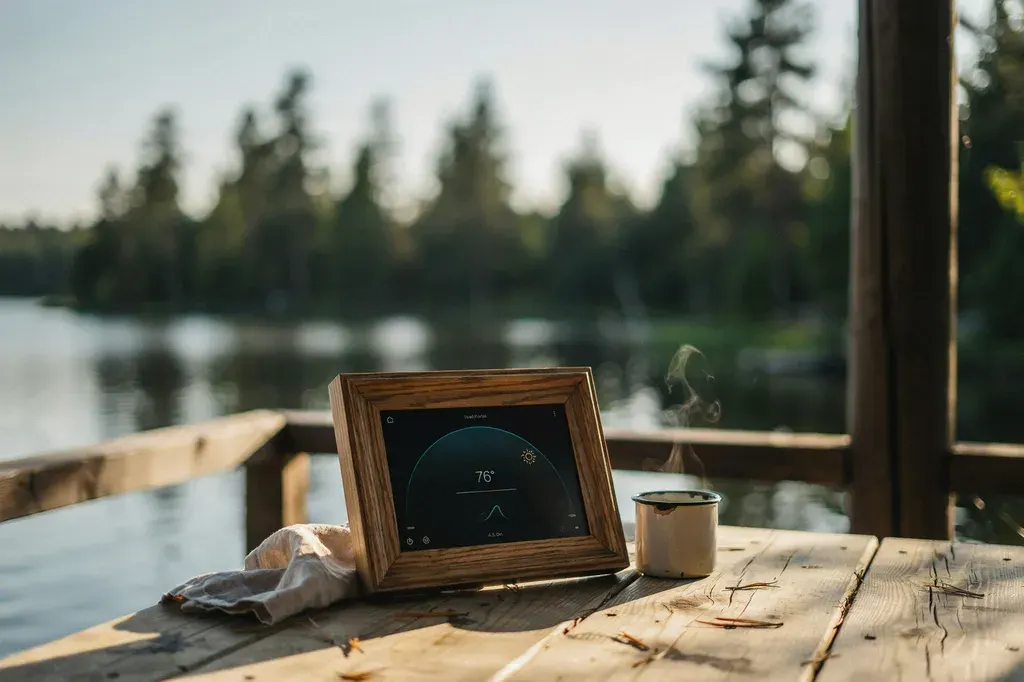
The same calm screens you swipe through on the device, here on the wall and on the sill.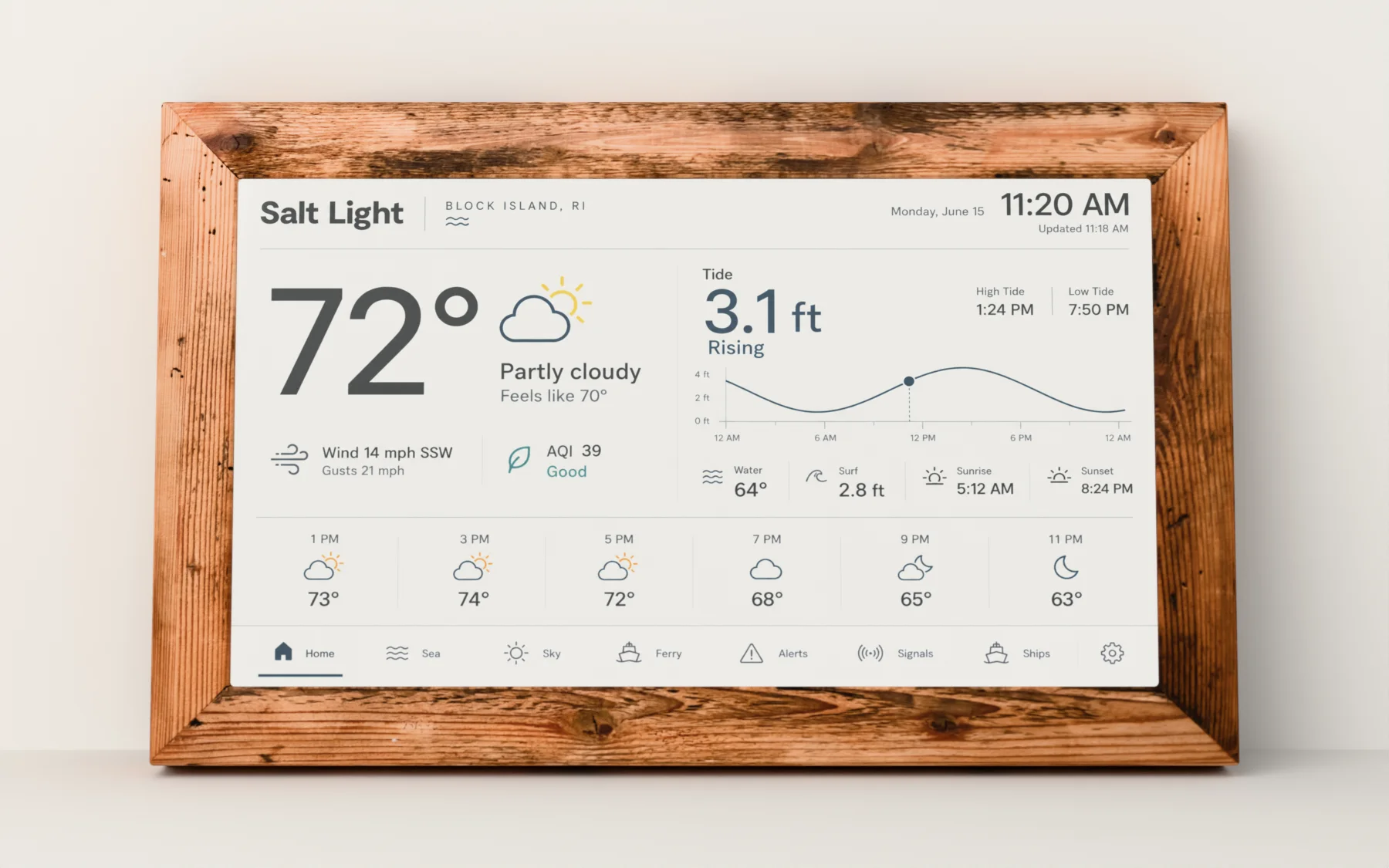
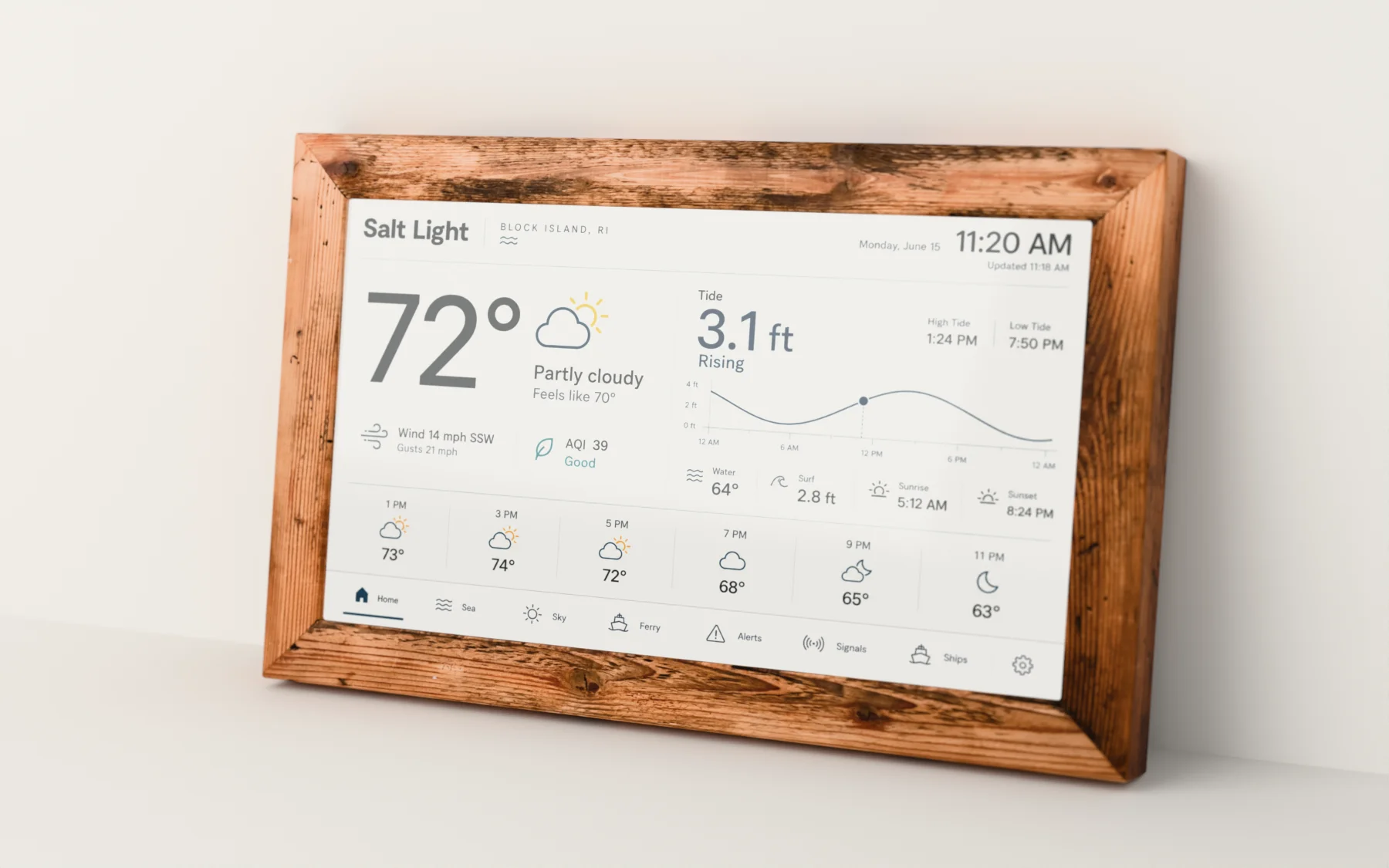
Built like furniture
Each instrument is cut, assembled and finished one at a time, built for the rugged New England coast and the wind-and-salt-whipped cedar-shingle houses along it. Choose the wood; the lit diffuser strip and the machined aluminum stand come standard.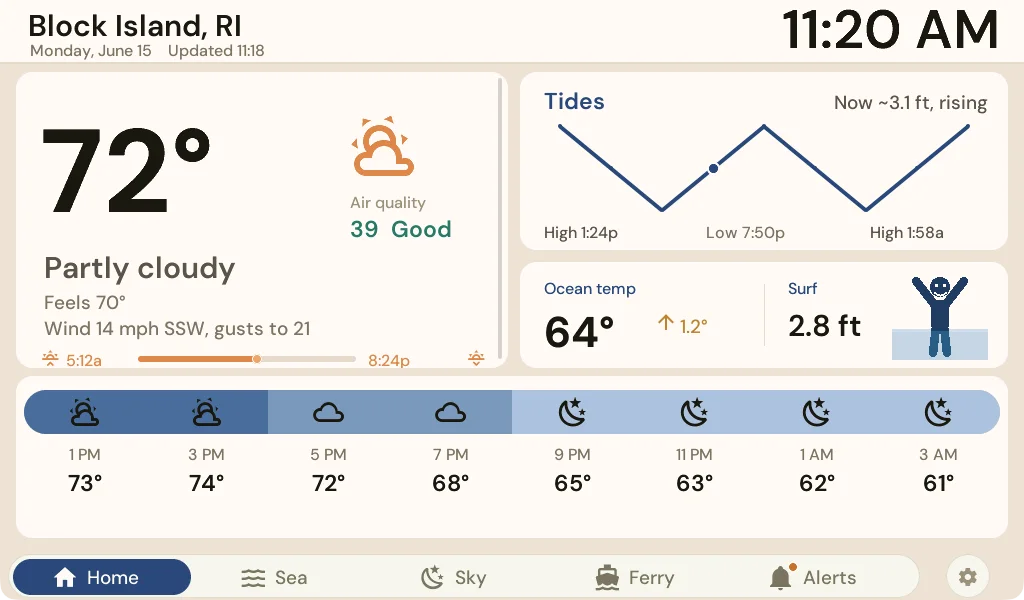
Red oakWarm golden-brown, open grain. The warm default.
DriftwoodWeathered silver-grey, desaturated and coastal.
CherryDeep reddish-brown, fine grain. The refined option.
A warm line of light
Just above the glass, a slim frosted strip diffuses a row of warm LEDs into one soft line, the physical echo of the Data Beams mark. It glows soft and warm, never a harsh white bar.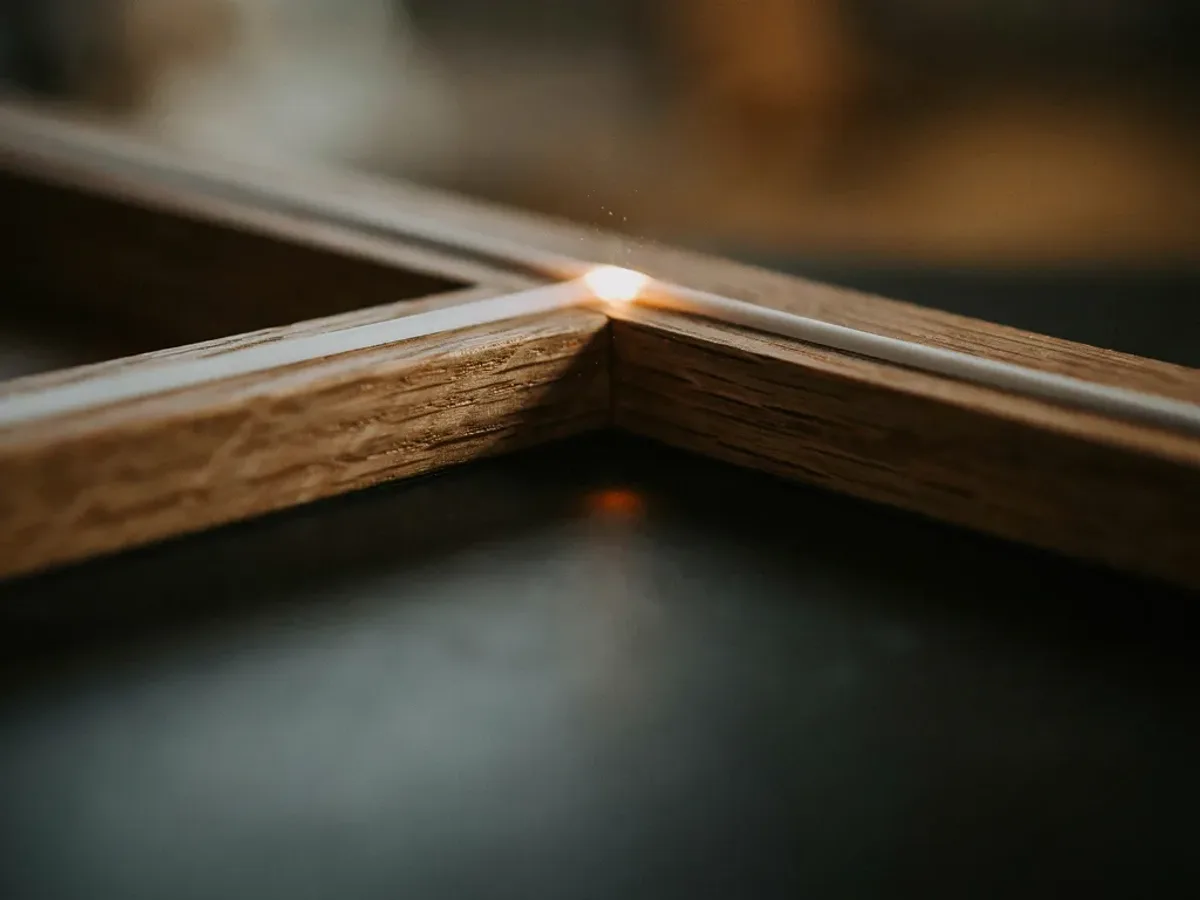
A machined aluminum stand
On the back, a brushed-aluminum easel leg hinges near the top and angles to the surface, exactly like the support on a picture frame. One clean metal element against the wood.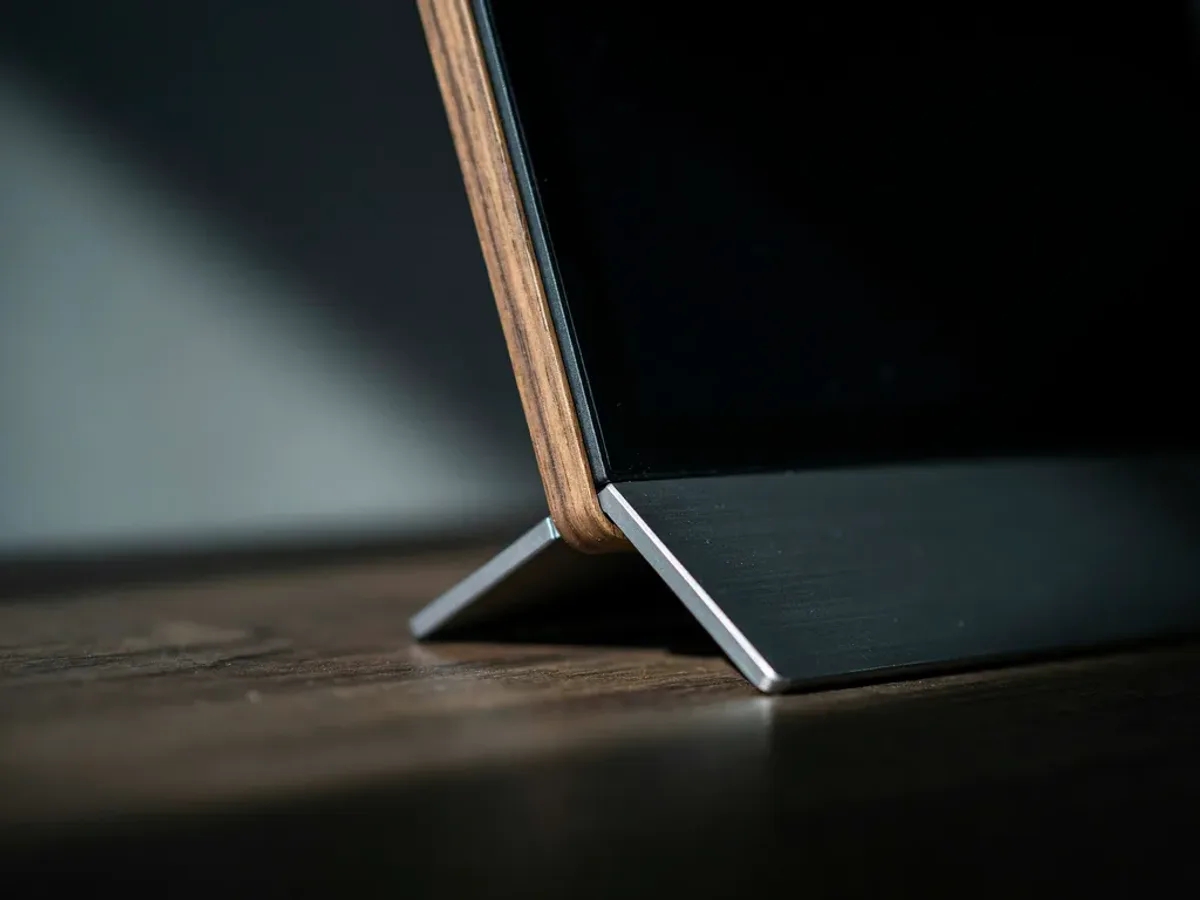
Six calm views
One quiet pane of glass, swiped between six screens. Each one shows only what's worth a glance.- HomeTemperature, the day's sun arc, a two-cycle tide curve, and the next 12 hours.
- SkyTonight's moon phase, and where the sun, moon and planets sit over your deck.
- SeaSurf height and framing, swell, water temperature and trend, and shark activity near the island.
- FerryA departure board for the next boat to and from Point Judith, stamped “Done for the Day” once the last boat has sailed.
- SettingsBrightness and night mode, notifications, quiet hours, and the offline-mode ladder.
- NotificationsGlanceable alerts for surf, wind, rain, sharks, air quality, aurora and worth-seeing sky events.
What's in the instrument
- FrameHand-finished hardwood: red oak, driftwood or cherry
- Light stripSlim frosted diffuser strip with a warm LED light line, above the screen
- StandMachined brushed-aluminum kickstand (easel hinge)
- Display7″ IPS, 1024×600, laminated
- Touch5-point capacitive
- ProcessorESP32-P4 dual-core RISC-V
- Memory32 MB flash, PSRAM offline cache
- ConnectivityWi-Fi (2.4 / 5 GHz)
- On-board radioSoftware-defined radio (SDR) for local weather-station and marine-traffic (AIS) reception
- DataLive coastal feeds over Wi-Fi: included with the Keeper plan, or self-hosted on the Maker's Edition
- On-device mathTides, sun, moon & planets computed locally (works offline)
- PowerUSB-C, mains powered
- UpdatesOver-the-air, automatic, with rollback
- LocationLaunch version tuned specifically for Block Island (New Shoreham), RI. Other locations coming soon
The launch version is a love letter to Block Island: custom made for that coast, and fine-tuned and tested on and by the island. Work is underway to make it a device for everywhere, with more pre-tuned locations on the way.Every feed above is connected and minded for you on the Keeper Edition. The Maker's Edition self-hosts the same streams, or your own.
Two ways to run it
One hand-built instrument, two editions. The Keeper Edition arrives finished and minded, with the data service included and a lower price up front. The Maker's Edition costs more once, opens the workshop door, and never needs us again. The higher price is honest: it carries the development of the platform.Either way, you pay with money, not with your data. No advertising, no data brokering, no third-party analytics, in either edition. hardware $649, plan starts month oneAn illustrative configurator: these numbers are placeholders so you can feel the shape of the deal. Final pricing and options are announced at launch.
Keeper Edition
The kept lightIt arrives finished: every feed connected, tuned to your coast, and minded so you never think about it. Plug it in, and we keep the light.- Every data feed included, managed and watched
- Tuned and tested for your location
- Automatic updates with rollback
- One-year hardware warranty
- Support from the person who built it
Maker's Edition
The open benchThe same instrument with the workshop door open: self-host the data broker, modify the firmware, point it at your own streams. No account, no subscription, ever.- Self-host kit included: the data broker, containerized
- Firmware open to modification, headers exposed
- No service required, ever
- Full source and build documentation
- 30-day bench warranty
Frame
Red oak
Driftwood
Cherry+$40
$60 off the hardware today, then the plan resumes in month 13
On the bench
Outdoor sensor module · waitlistIndoor air quality module · waitlist
Today$649
then $15/moNo instrument left dark
A Keeper unit is never dependent on us forever. Leave the plan and the on-device math keeps working: tides, sun and moon, with the ferry board running on its last stored timetable. A conversion release turns any Keeper unit into a self-hosted one, and if the service ever winds down, that release ships to every instrument. A good instrument outlives its maker.Yours to run, private by default
Set it and forget it, or tinker with it yourself.The instrument sends us counts and numbers only, only to Edge Coastal Instruments, never to anyone else, and you can switch it off.Read the full privacy notice
Open source, yours to change
The firmware is open source. Repair it, modify it, tweak it, build your own as you see fit. Nothing is out of reach, and you can read every line that runs.Feed it your own data
On the Maker's Edition, point the instrument at your own self-hosted streams. And any Keeper unit can convert to self-hosting down the road, so the service is a choice, not a requirement.Tides, sun & moon, always right
Those are computed on the device, so they stay correct with no connection at all. Live weather, surf and marine readings hold their last update until it's back online; that part still needs the cloud.Minimal telemetry, even in the cloud
With cloud features on, it still sends counts and numbers only, first-party only, and one tap turns it off. The full breakdown is on the privacy page.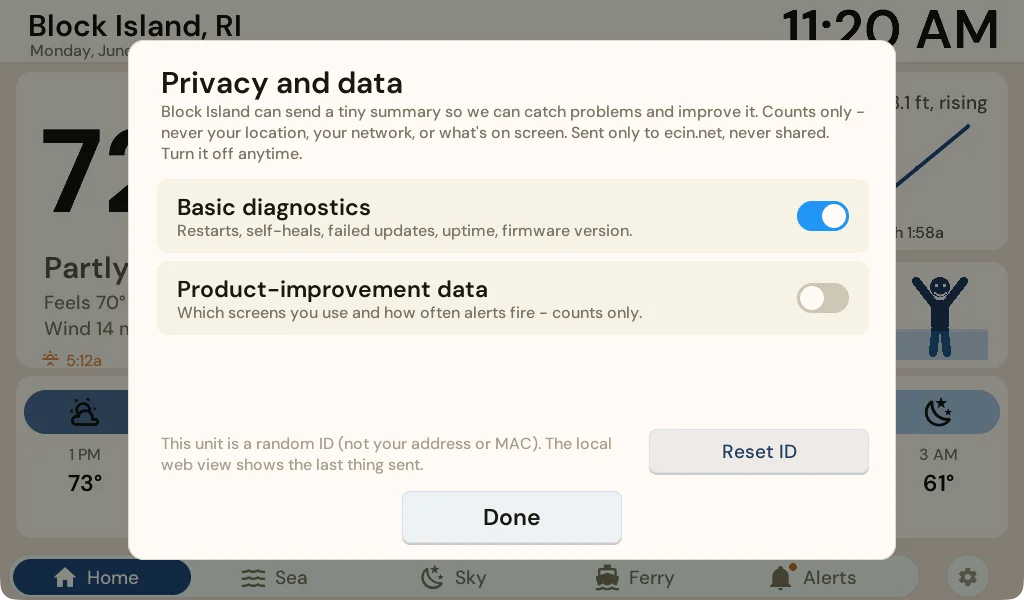
Where it's headed
Marketed in the open, so you can watch it grow. These are in development, not yet shipping capabilities. The full plan, including what's further out, lives on the development roadmap.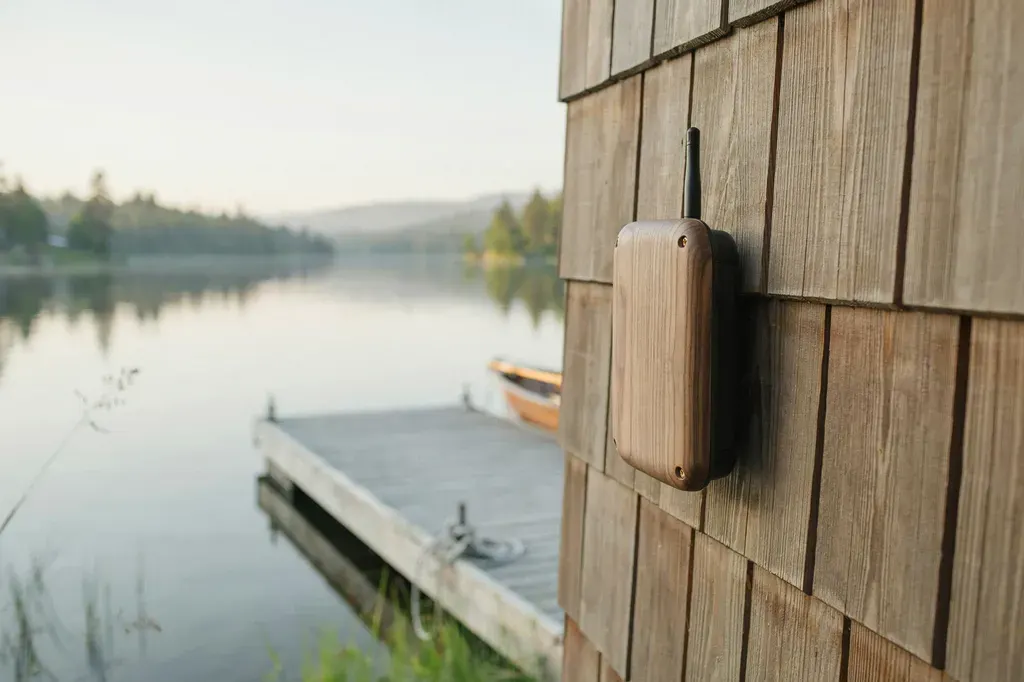

In development
Outdoor sensor
A weatherproof sensor that lives outside and reports your exact-spot conditions, including outdoor air quality, back to the display, not just the nearest station.In development
Air quality, indoor and out
Outdoor AQI is on screen today. A small indoor sensor is coming, measuring CO2, VOCs, PM2.5 and more, so you can watch the air inside your home and outside it, side by side.In development
Birdsong ID (BirdNET)
An external sensor module, coming soon, listens with BirdNET to name the birds singing around you all day, and flags the rare and interesting ones you'd want to step outside to see and hear for yourself.In development
Built-in cellular
An LTE data option so the instrument can stay current on its own, without leaning on your home Wi-Fi. On the bench now.In development
Long-range local mesh
Long-range LoRa radio so instruments and sensors can talk to each other directly, local-only, with no internet and no cloud, even out of range. On the roadmap, not shipping yet.In development
More coastlines
Block Island is the first tuning, and custom latitude and longitude are already in the firmware. More pre-tuned coastal towns are on the way.In development
Alpine & ski conditions
Units tuned for the mountains, not just the coast: snow depth and quality, mountain weather, and the day's ski and lift conditions, on the same calm pane of glass.In development
Salt Light Edge Instrument
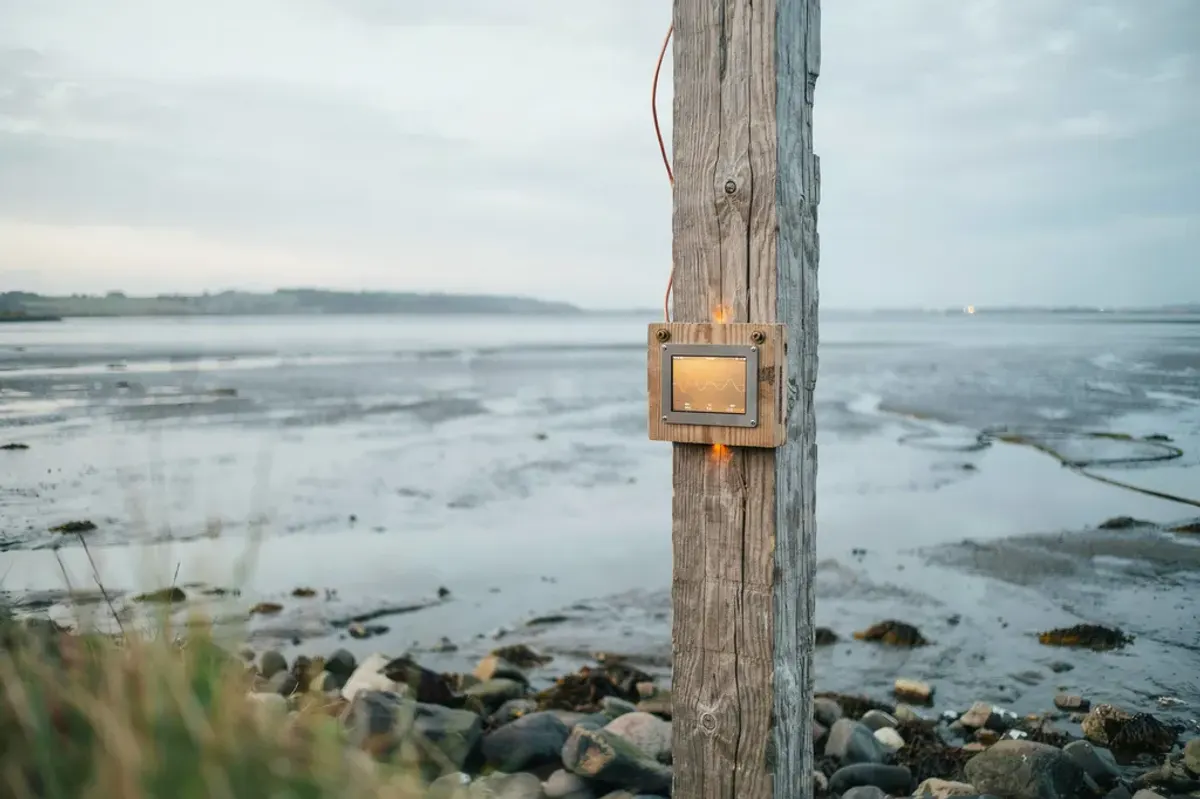
A 5-inch, LoRa-enabled remote node for far-flung spots. It receives data from the base unit even miles away, license-free, with no subscription and no internet or Wi-Fi needed.See the development roadmapPlans and direction, open to your feedback. Specs and timelines can change.
Good to know
The instrument is the same hand-built hardware either way; the editions differ in who runs the data. The Keeper Edition has a lower price up front and includes the plan: every feed connected, tuned, watched and updated for you. The Maker's Edition costs more once, includes the self-host kit for running your own data broker, opens the firmware to modification, and never needs an account or a subscription. The higher Maker's price is honest: it carries the development of the platform. And no Keeper unit is ever stranded; leave the plan and the on-device math keeps working, and a conversion release turns it into a self-hosted instrument.
Quite a lot, because the instrument does its own math. The clock, sunrise and sunset, the moon phase and the overhead sky map, and the tide curve are all computed on the device, so they stay correct with no connection at all. The ferry board keeps working too, from its stored timetable; only a season's schedule change can date it, and it catches up the moment it reconnects. Your last synced weather, marine and air-quality readings stay on screen too, marked as the last update instead of disappearing. What pauses is anything that needs the internet: live weather and surf, shark activity, air quality and aurora, and over-the-air updates. They pick back up the next time it's online. There's also an Offline mode in Settings if you'd rather it stop reaching out entirely.
Never on a schedule, and never just to keep running. Tides, sun and moon are worked out locally, so they stay accurate for years with no connection. The ferry board is the one timetable-bound reading: its stored schedule carries it through a season offline, but it wants an occasional connection when sailings or seasons change. The only other things that go stale offline are the live readings (weather, surf, air quality), so connect it when you want those fresh. Firmware updates are optional and occasional: when it's online it checks every few hours on its own and installs quietly, with a rollback safety net. There is no required check-in, so nothing stops working if it sits offline for weeks; on the Keeper plan the service simply picks back up when it reconnects.
Yes. It runs on USB-C from any mains outlet, and on Wi-Fi it will sync wherever you are. It ships tuned for Block Island, but you can set your own latitude and longitude in Settings, and the weather, tides, seas and sky then follow that spot. It's wood and glass, built like a small picture frame, so pack it the way you would a framed photo.